
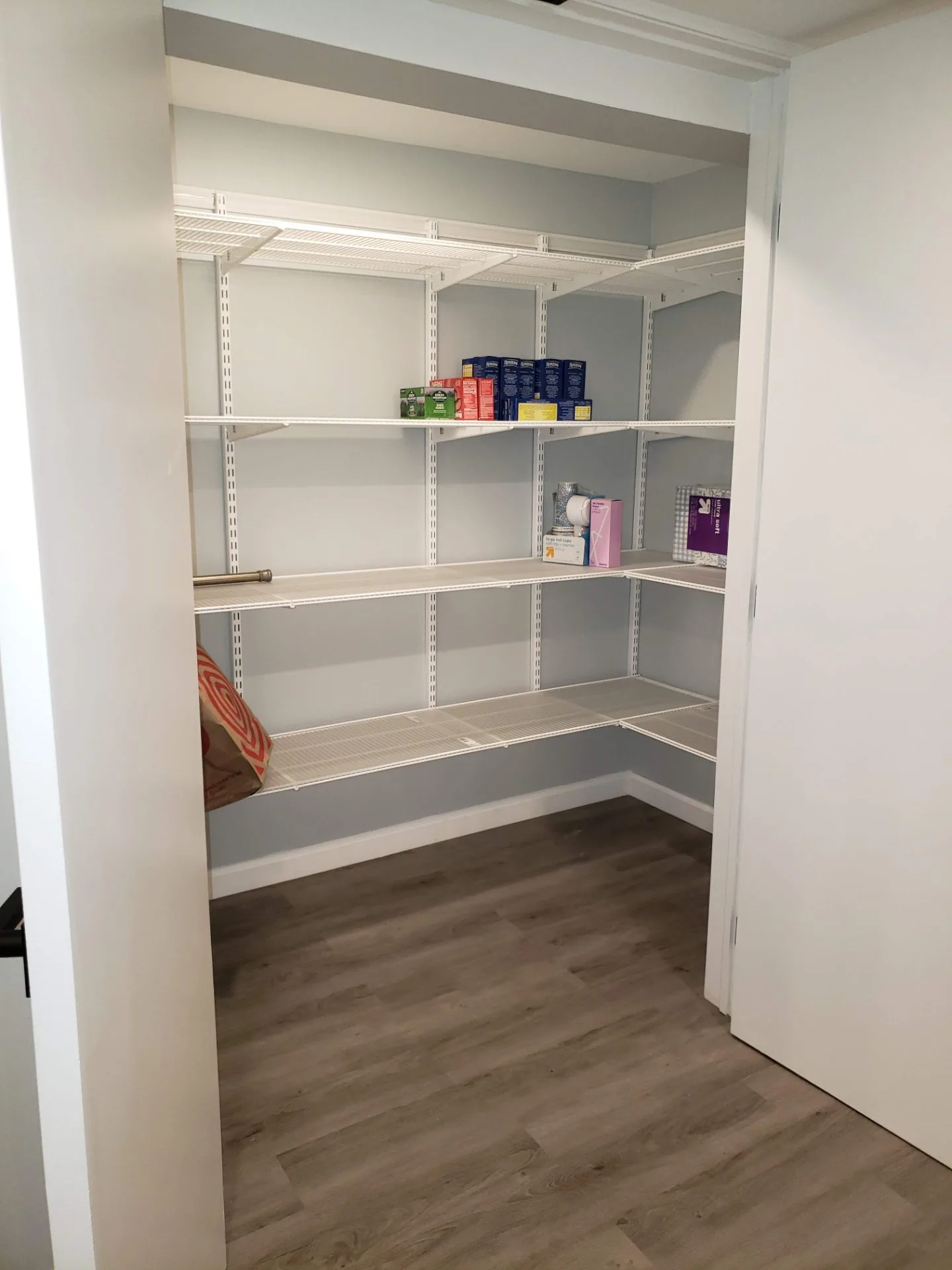
Homeowners often start with a simple goal, like opening up the first floor or updating tired rooms. As planning moves forward, the question becomes how far the project should go. Understanding the difference between an interior renovation and a whole-home renovation helps you set the right scope from the start.
At KBS Kitchens in Fair Lawn, we handle both types of projects for single-family homeowners across Bergen County. Here is how we think about each one.
What Is a Whole-Home Renovation?
A whole-home renovation is a top-to-bottom project that covers most or all of the house. In many cases it is a gut renovation, where walls are opened, systems are updated, and finishes are replaced throughout.
This type of project usually touches every trade. Framing, plumbing, electrical, HVAC, drywall, flooring, trim carpentry, and painting all move through the house in a planned sequence.
A whole-home renovation is often the right choice for an older house that needs updated systems, a recently purchased home that does not match the new owner’s needs, or a house where piecemeal updates over the years have left rooms feeling disconnected.
What Is an Interior Renovation?
An interior renovation is a multi-room or partial renovation. It focuses on a defined section of the house rather than the entire structure.
Common examples include converting a closed-off first floor into an open-concept layout, renovating connected living and dining areas, or combining a kitchen remodel with an adjacent family room. The work still involves multiple trades, but it stays within a set area.
Interior renovations suit homeowners who like their house overall but want specific spaces to work better together. They can transform how a home feels without reworking every room.
Key Differences Between the Two
Scope and Systems
The biggest difference is how much of the house is involved. A whole-home renovation often includes updates to plumbing, electrical, and HVAC throughout. An interior renovation typically updates systems only in the rooms being renovated.
That said, interior projects can still uncover issues that affect other areas. Removing a wall may require structural support, rerouted ductwork, or new electrical runs. A good contractor identifies these possibilities during planning.
Living Arrangements
During a whole-home renovation, many families choose to live elsewhere for some or all of the project. Dust, noise, and limited access to kitchens and bathrooms make daily life difficult in a house under full renovation.
With an interior renovation, staying in the home is often possible. The work area can be sealed off, and the rest of the house remains usable. Dust control and daily cleanup become especially important in this situation.
Planning and Selections
Both project types benefit from thorough planning, but a whole-home renovation involves far more decisions. Flooring, trim, doors, paint colors, fixtures, and lighting need to be selected for the entire house.
Interior renovations involve fewer selections, but they carry a different challenge. New finishes need to work with the rooms you are not changing. Matching or complementing existing flooring and trim takes careful thought.
Cost and Phasing
A whole-home renovation is a larger investment, but it can be more efficient than tackling rooms one at a time over several years. Trades mobilize once, and systems are updated together instead of being reopened later.
An interior renovation lets you focus spending on the spaces that matter most right now. Some homeowners phase their work, starting with the first floor and planning other areas for later.
How to Decide Which One Fits
Start by listing what is not working in your home. If most of the list involves one area, such as a closed-in first floor, an interior renovation is likely the right fit.
If the list includes outdated systems, multiple floors, and rooms throughout the house, a whole-home renovation may make more sense. Addressing everything at once avoids repeated disruption and keeps finishes consistent.
Think about how long you plan to stay in the house. A long-term home may justify a broader scope. A shorter horizon may point toward focused improvements in key spaces.
Finally, consider how much disruption your household can handle. A focused interior project is easier to live with. A whole-home project asks more of you in the short term but delivers a fully updated house.
Why the Contractor Matters for Either Scope
Both project types involve coordinating many trades within one renovation. When a single contractor manages the entire project, scheduling stays tight and responsibility stays clear.
At KBS Kitchens, owner Ronen Tzur is involved from the first conversation through final walkthrough. We bring up issues early and talk through solutions before they affect the schedule. Homeowners tell us they value that honest, upfront communication. You can browse completed projects in our project gallery.
Start Your Project
Not sure which scope fits your home? That is a normal place to start. Request a consultation and we will walk through your house, your goals, and the options that make sense for your renovation.
KBS Kitchens